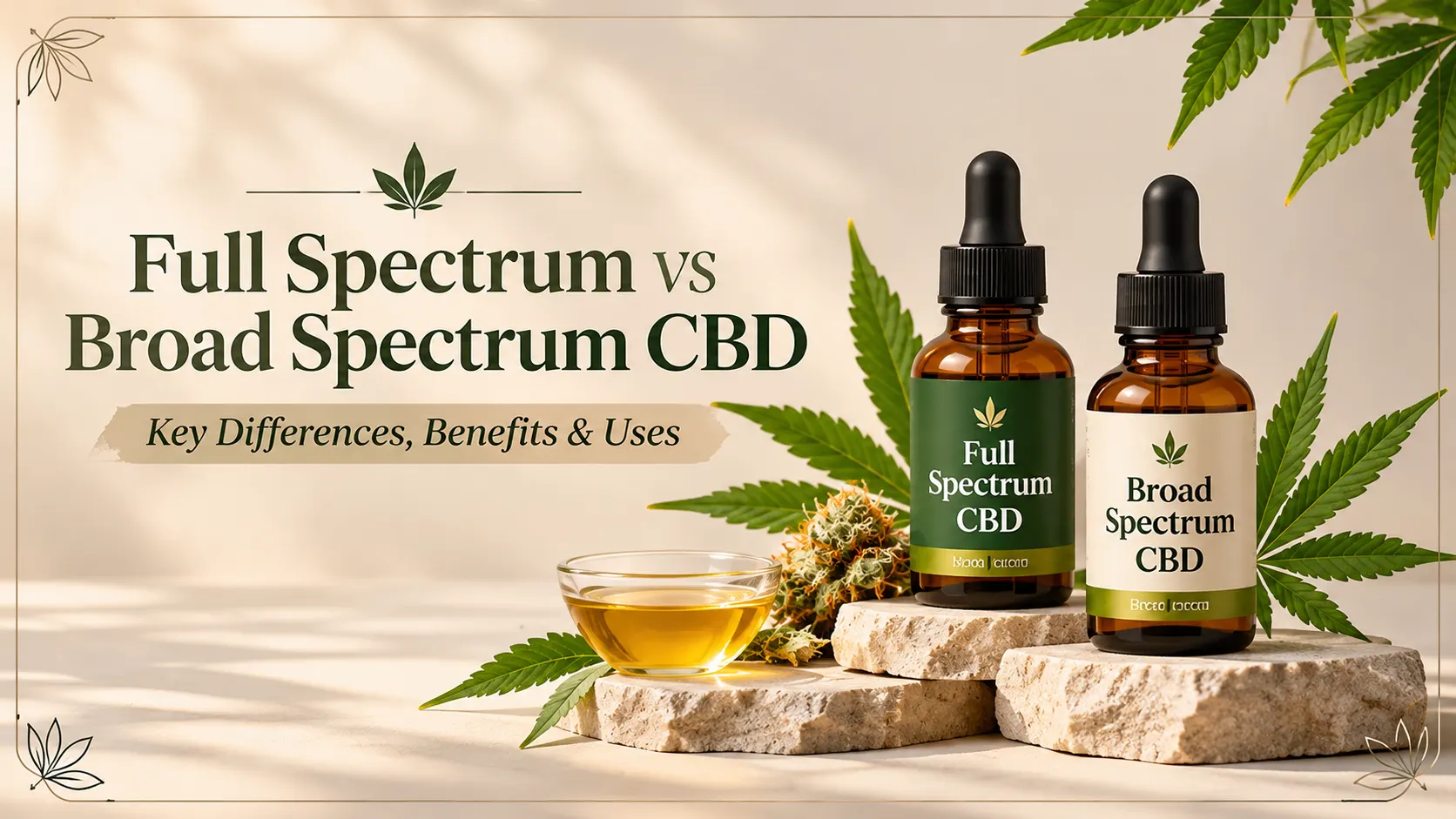

CBD Oil VS CBD Tincture
Cannabidiol (CBD) has become an increasingly discussed compound in the wellness and cannabis industries. Extracted from the cannabis plant, CBD is a naturally occurring cannabinoid that is being studied for its potential therapeutic properties. It is available in several product formulations, including CBD oils and CBD tinctures.
Although CBD oil and CBD tincture are often used interchangeably, they can actually be products that have very different ingredients, extraction methods, and formulations. It’s important for the consumer, the manufacturer, and the business to understand that distinction.
This article explains what CBD oil and CBD tinctures are, their ingredients, major differences, available product types, and important considerations when evaluating these products.
WHAT IS CBD Oil?
CBD oil is a cannabis-derived product containing cannabidiol extracted from the cannabis plant and diluted or suspended in a carrier oil. It is commonly available in small bottles with droppers for measuring the liquid.
CBD oil can be manufactured using different extraction methods, including CO2 extraction and ethanol extraction. The resulting extract is combined with a carrier oil to create a finished product.
Common Ingredients in CBD Oil
CBD oil formulations may contain the following ingredients:
- Cannabidiol (CBD): The primary cannabinoid in the formulation. It is non-intoxicating and does not typically produce the psychoactive effects associated with THC.
- Other Cannabinoids: Depending on the formulation, CBD oil may contain other cannabinoids such as CBG, CBN, and small amounts of THC.
- Terpenes: Some products will contain the natural terpenes that are found in the cannabis plant, which give the extracts their characteristic smell and taste.
- Carrier Oils: These are used to dilute the CBD extract (which is normally quite concentrated) and provide a suitable liquid base. Typical examples would be:
- Mct Oil
- Hemp Seed Oil
- Olive Oil
- Coconut-Derived Oil
Common Types of CBD Oil
CBD oils are generally classified according to their cannabinoid composition.
- Full Spectrum CBD Oil: Contains CBD, other naturally occurring cannabinoids, terpenes, and some THC.
- Broad Spectrum CBD Oil: Contains CBD and selected additional cannabis compounds, with THC removed or reduced to non-detectable levels.
- CBD Isolate Oil: Contains purified CBD as its primary cannabinoid, generally without other cannabinoids or terpenes.
What Is a CBD Tincture?
A CBD tincture is a liquid CBD formulation traditionally made by extracting plant compounds using an alcohol-based solvent. The resulting extract is formulated into a liquid product, sometimes with additional ingredients to improve flavor and stability.
In the modern CBD market, however, the term tincture is also used more broadly for liquid CBD products that may not contain alcohol. Some products marketed as CBD tinctures use oil-based formulations instead.
Common Ingredients in CBD Tinctures
The ingredients can vary depending on the manufacturer and formulation.
- CBD Extract: Provides cannabidiol and may contain other cannabis-derived compounds depending on the extract type.
- Alcohol: Traditional tinctures use food-grade alcohol as a solvent to extract plant compounds. However, not all commercially marketed CBD tinctures contain alcohol.
- Carrier Ingredients: Some modern tinctures contain MCT oil, hemp seed oil, or other carrier ingredients.
- Flavouring Agents: Natural or artificial flavorings may be added to improve taste. Common flavors include mint, citrus, and vanilla.
- Additional Plant Extracts: Certain formulations may contain other botanical ingredients, although their inclusion depends on the product.
How Are CBD Oil and CBD Tinctures Made?
CBD Oil Manufacturing Process
CBD oil production generally involves several stages:
- Plant Selection: Cannabis or hemp plant material is selected according to the intended cannabinoid profile and applicable regulations.
- Extraction: The cannabinoids are extracted from the plant material using either supercritical CO2 or ethanol extraction.
- Purification: The extract may be further processed to remove any unwanted plant matter and other impurities.
- Formulation: The CBD extract is combined with a carrier oil.
- Quality Testing: The finished product is tested for cannabinoid concentration, contaminants, and product consistency.
CBD Tincture Manufacturing Process
Traditional alcohol-based CBD tinctures are produced through a different formulation process.
- Plant Material Preparation: The selected plant material is prepared for extraction.
- Alcohol Extraction: Food-grade alcohol is used as a solvent to extract the cannabinoids and other plant compounds.
- Filtration: The liquid is filtered to remove the unwanted plant matter.
- Filtration: The extract is processed and formulated into a liquid.
- Quality Testing: The final formulation is tested to confirm its cannabinoid content and safety profile.
Modern tinctures may use different manufacturing techniques, depending on whether they are alcohol-based or oil-based.
Different Types of CBD Products
CBD is available in several product categories beyond oils and tinctures. These formulations differ in their composition, delivery methods, and intended applications.
- CBD OILS
CBD oils are liquid formulations containing CBD extract and a carrier oil. They are commonly packaged in dropper bottles and are available in different cannabinoid concentrations.
- CBD CAPSULES
CBD capsules contain measured quantities of CBD in a capsule format. They may contain CBD isolate or broader cannabinoid extracts.
- CBD GUMMIES
CBD gummies are edible products containing CBD extract. They are available in different flavors and shapes, with additional ingredients such as sweeteners and flavoring agents.
- CBD TOPICAL CREAMS
CBD creams and lotions are formulated for external application. They generally combine CBD with moisturizing ingredients, oils, and other skincare components.
- CBD BALMS
CBD balms are thicker topical formulations containing waxes, oils, and other ingredients. They are generally designed for application to specific areas of the skin.
- CBD SPRAYS
CBD sprays are liquid formulations packaged in spray bottles. Depending on their formulation, they may be designed for oral or topical use.
- CBD ISOLATE PRODUCTS
CBD isolate products contain highly purified cannabidiol, generally with other cannabis compounds removed. They are available in different formats, including powders and formulated oils.
Potential Benefits and Scientific Research
CBD has attracted scientific interest because of its interaction with the body’s endocannabinoid system, which plays a role in several physiological processes.
Researchers are studying CBD in relation to:
- Epilepsy: A purified prescription CBD medicine has been approved in certain countries for specific seizure disorders.
- Anxiety: Research is examining the potential effects of CBD on anxiety-related processes, although evidence for commercial products remains limited.
- Pain: CBD is being investigated for its possible interactions with pain-related pathways.
- Sleep: Researchers are exploring its potential influence on sleep quality and sleep-related conditions.
- Inflammation: Laboratory and clinical research is examining its interactions with biological processes associated with inflammation.
It is important to note that these research areas do not establish that ordinary CBD oils or tinctures can treat or cure these conditions.
Safety and Quality Considerations
CBD products can vary considerably in quality, cannabinoid concentration, and purity. Consumers should consider several factors when evaluating these products.
- Third-Party Laboratory Testing: Look for a Certificate of Analysis (COA) from an independent laboratory that verifies CBD and THC concentrations.
- Ingredient Transparency: Manufacturers should clearly disclose carrier oils, solvents, flavorings, and other ingredients.
- Contaminant Screening: Quality testing should include checks for pesticides, heavy metals, residual solvents, and microbial contamination.
- Medication Interactions: CBD can interact with a number of prescription medications and may result in side effects including drowsiness, diarrhea, and changes to liver enzyme levels.
- Regulatory Compliance: CBD product regulations vary from country to country. In India, products derived from cannabis are subject to the relevant provisions of the NDPS Act, 1985 and other applicable regulations. The legality of such products will depend on a range of factors including the source, the formulation, the intended use and the applicable licensing requirements.
CBD should not be considered automatically safe because it is plant-derived. Pregnant and breastfeeding individuals should avoid CBD unless advised otherwise by a qualified healthcare professional.
Conclusion
CBD oil and CBD tinctures are two of the more commonly discussed products in the burgeoning industry of cannabis-derived products. The traditional distinction between the two is largely one of their liquid base, their ingredients, and the way they are made.
CBD oil will generally be in a carrier oil; traditional tinctures are alcohol based. The labeling on modern products can be very much the same, so it’s absolutely vital that you check the ingredients.
Understanding the breadth of CBD products on the market, the cannabinoid profiles of those products, the manufacturing standards and the safety issues will go a long way towards enabling both the consumer and the business to make more informed decisions. As the research and the regulatory environment continues to develop, product transparency and the availability of scientific evidence will be key to the responsible development of the CBD industry.